
Leading Foundation Repair Supplies For Effective Home Restoration
Identify top supplies that ensure a secure foundation repair process and long-term home stability.
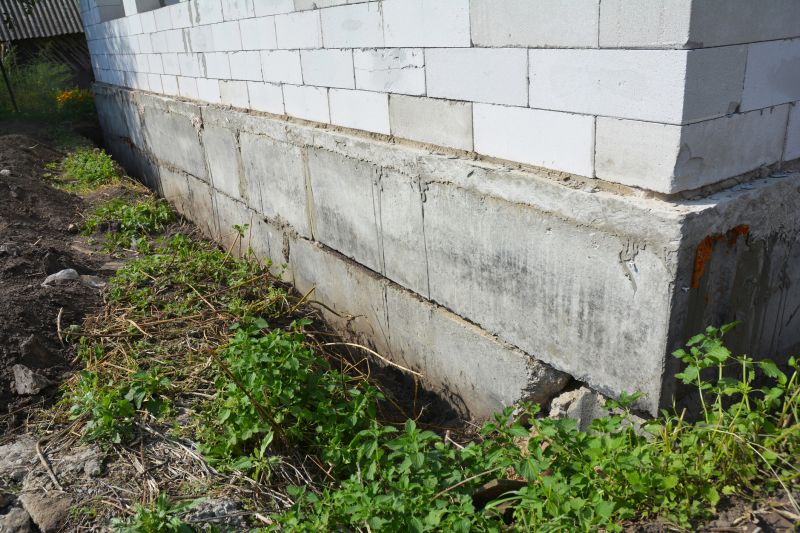 Foundation repairs are essential for maintaining the structural integrity of a building, especially in areas prone to soil movement, moisture fluctuations, or shifting ground. Properly selecting the right products can help stabilize a foundation and prevent further damage. These repair solutions vary widely, from simple underpinning methods to more complex underpinning systems that require specialized equipment. Understanding the different types of products available can assist homeowners and contractors in making informed decisions tailored to specific foundation issues.
Top Overall Option
Hydraulic Push Piers
Hydraulic push piers are a versatile foundation repair solution used to stabilize and lift sunken or settled foundations. They are installed beneath the foundation and driven into stable soil or bedrock using hydraulic pressure, providing a secure and durable support system. This method is often chosen for its ability to lift and level foundations with minimal disturbance to the property. Proper installation by experienced professionals ensures long-term stability and performance, making hydraulic push piers a widely considered option for various foundation issues.
Types of Products For Foundation Repairs
Helical Pier Systems
Helical piers are screwed into the ground to provide stable support for foundations, especially in difficult soil conditions. They are often used for both new construction and repairs, offering quick installation and reliable load transfer.
Push Piers
Push piers are driven into stable soil beneath the foundation to lift and stabilize structures. They are suitable for a variety of foundation types and are installed using hydraulic power.
Slab Jacking and Mudjacking
This technique involves injecting a grout mixture beneath a concrete slab to lift and level it. It is commonly used for driveways, sidewalks, and basement floors.
Carbon Fiber Reinforcement
Carbon fiber strips are bonded to interior basement walls to reinforce and prevent further cracking or bowing. This method offers a non-invasive repair option.
Underpinning Piles
Underpinning piles are deep foundation supports driven into the ground to stabilize and lift foundations that have settled significantly.
Soil Stabilization Products
These products include chemical injections and grouts designed to improve soil stability around the foundation, reducing future shifting.
Epoxy Injection Systems
Epoxy injections are used to fill and seal cracks in concrete foundations, restoring strength and preventing water intrusion.
Concrete Patching and Repair Mortars
These materials are used to repair damaged or crumbling concrete surfaces, restoring the integrity of foundation elements.
Vapor Barriers and Waterproofing Membranes
Applied to foundation walls and floors, these products help prevent water penetration and reduce moisture-related issues.
Foundation Bolts and Anchors
These hardware components are used to secure framing to the foundation, providing additional stability.
Pier and Beam Supports
Supports designed for pier and beam foundations to elevate and stabilize the structure, especially in older homes.
Grout and Resin Injections
Used to fill voids and stabilize soil or cracks, enhancing the overall foundation support.
Drainage Systems
Proper drainage solutions like French drains help divert water away from the foundation, reducing soil erosion and settlement.
Foundation Repair Kits
Pre-packaged kits that include various materials and tools for minor repairs and crack sealing.
Structural Reinforcement Beams
Steel or wood beams used to reinforce and support compromised foundation walls or floors.
Soil Moisture Control Products
Devices and systems that help regulate soil moisture levels around the foundation to prevent shifting.
Popular Choices
Widely used for foundation stabilization, these piers are valued for their strength and adaptability.
A non-invasive method to reinforce basement walls and prevent bowing or cracking.
A common choice for leveling uneven concrete slabs in driveways and patios.
Popular for sealing cracks and restoring concrete integrity in foundations.
Chosen for their ability to adapt to challenging soil conditions and provide reliable support.
Essential for preventing water intrusion and protecting foundation walls.
Commonly installed to secure framing and add stability to the foundation structure.
French drains and sump pumps are frequently used to manage water around foundations.
Steel or wood beams are often used to reinforce compromised foundation floors or walls.
Injectable grouts are popular for improving soil conditions beneath foundations.
Installed on basement floors to reduce moisture and prevent damage.
Frequently used in older homes requiring elevation and stabilization.
Commonly used for repairing surface damage and cracks.
Steel or concrete columns provide additional support for sagging or uneven floors.
Used to fill voids and stabilize soil around the foundation.
Popular for minor repairs and DIY projects.
When considering foundation repair products, it's important to evaluate the severity of the damage, the type of soil, and the foundation's construction. Some products are designed for minor settling, while others are suitable for significant structural concerns. Proper installation and compatibility with existing foundation materials are crucial factors that influence the effectiveness of these products. Consulting with a foundation specialist can help identify the most suitable options for your unique situation.
In Orland Park, IL, where soil conditions and weather patterns can impact foundation stability, choosing reliable and durable repair products is especially important. These products should be able to withstand local environmental factors and provide long-term support. Investing in quality foundation repair solutions can help preserve the value of your property and ensure safety for its occupants. Always prioritize products that have been tested for performance and are compatible with local building codes and standards.
Key Buying Considerations
- Assess the severity of foundation issues to determine the appropriate product type.
- Consider the soil conditions and how they impact foundation stability.
- Evaluate the compatibility of repair products with existing foundation materials.
- Prioritize products that are designed for the specific type of foundation (slab, pier and beam, basement).
- Check for products that have been tested for durability and long-term performance.
- Ensure installation methods align with your budget and timeline constraints.
- Look for solutions that offer minimally invasive options when possible.
- Verify that the products meet local building codes and standards in Orland Park, IL.
- Consider the potential impact of weather and moisture on repair longevity.
- Evaluate the reputation and experience of the contractor or supplier providing the products.
- Review warranties or guarantees associated with the repair products.
- Think about future maintenance needs and the ease of ongoing upkeep.
- Determine if the products can be combined for comprehensive foundation stabilization.
- Assess the cost-effectiveness relative to the extent of foundation damage.
- Consult with a foundation specialist to ensure proper product selection.